
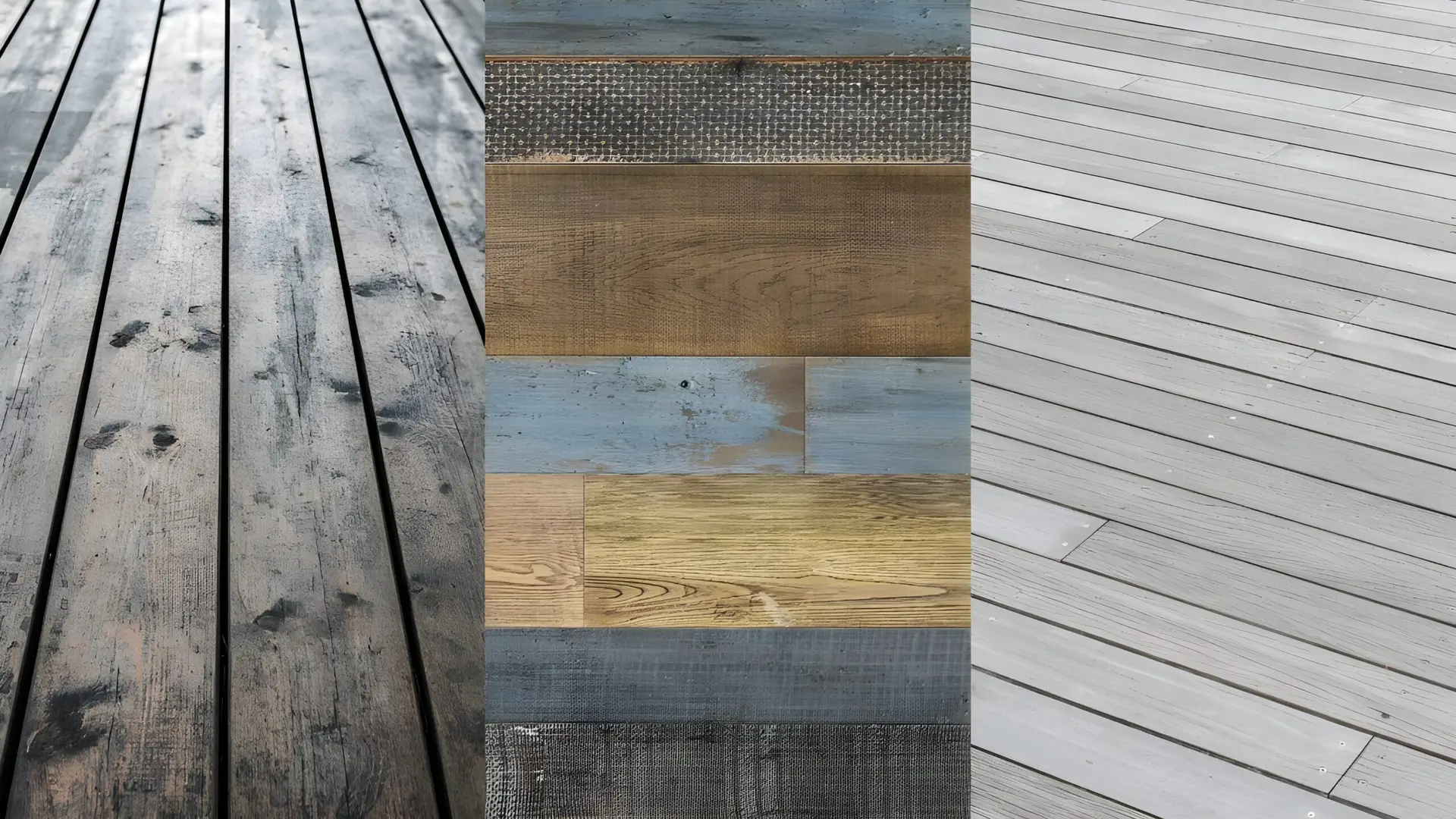
 Summary:
Flooring does more than complete a room — it influences how a space feels, functions, and is experienced every day. The colors and textures you choose can shape mood, create atmosphere, and even affect how large or comfortable a room appears. From warm wood tones to soft carpets and sleek modern finishes, understanding the psychology behind flooring design helps create interiors that feel balanced, welcoming, and visually cohesive.
“Colour is a power which directly influences the soul.”
Wassily Kandinsky
How Flooring Shapes the Feeling of a Space
Flooring is one of the largest visual elements in any interior, making it a powerful contributor to the overall atmosphere of a room. The tone, texture, and finish of your flooring influence everything from brightness and warmth to comfort and energy. Whether in a home, office, or commercial environment, the right flooring choice can completely transform how a space is perceived.
Lighter flooring tones often create a sense of openness and calm, while darker shades add depth, richness, and sophistication. Texture also plays a major role, adding warmth, softness, or a sleek modern feel depending on the material selected.
Light Flooring: Openness and Simplicity
Light-colored flooring is commonly associated with space and tranquility. Shades such as oak, maple, light grey, and natural beige reflect more light, making rooms feel brighter and larger. This makes them especially popular in modern interiors, minimalist spaces, and smaller rooms where openness is desired.
Soft neutral flooring also creates a calming environment, helping spaces feel more relaxed and inviting. In homes, this can encourage a peaceful atmosphere, while in offices or retail spaces, lighter tones often feel clean, fresh, and professional.
Dark Flooring: Luxury and Depth
Dark flooring introduces a sense of elegance and sophistication. Rich walnut tones, deep greys, and darker wood finishes create contrast and visual depth, often making interiors feel more luxurious and refined. These tones work particularly well in larger rooms, where they can add warmth and intimacy without making the space feel enclosed.
Dark floors also create a striking foundation for furniture and décor, helping lighter elements stand out more dramatically. However, balancing them with proper lighting is essential to maintain an inviting atmosphere.
Warm Tones vs Cool Tones
The undertones within flooring colors also influence emotional perception. Warm tones — such as honey oak, golden wood, or earthy browns — create feelings of comfort and coziness. They are ideal for living rooms, bedrooms, and family spaces where warmth and relaxation are priorities.
Cool tones like grey, ash, or stone-inspired finishes create a cleaner, more contemporary appearance. These colors often feel modern, sleek, and minimal, making them popular in contemporary homes and commercial spaces.
The Impact of Texture on Comfort and Mood
Texture is just as important as color when shaping the feel of a space. Soft carpets introduce a sense of warmth, comfort, and quietness, making them perfect for bedrooms and lounges. Natural wood grains bring character and authenticity, while smooth polished surfaces create a cleaner, more refined appearance.
Textured flooring can also affect how welcoming a room feels. Matte finishes and natural textures often create a more relaxed and organic environment, while glossy finishes tend to feel more formal and luxurious.
Flooring and Human Experience
Different environments benefit from different psychological effects. In homes, flooring often aims to create comfort, warmth, and relaxation. In commercial spaces, flooring may be used to encourage professionalism, energy, or customer comfort. Retail stores frequently use bold textures and patterns to create visual interest, while offices may favor softer neutral tones to support focus and productivity.
Choosing the right flooring isn’t only about aesthetics — it’s about creating a space that feels right for the people using it every day.
Conclusion: Creating the Right Atmosphere Through Flooring
Flooring has the power to influence mood, perception, and the overall experience of a space. From light tones that create openness to rich textures that add warmth and depth, every flooring choice contributes to the atmosphere of a room. By understanding the psychology of colors and textures, homeowners and businesses can create interiors that feel more inviting, balanced, and functional.
At Floormasters, we believe flooring should do more than simply look beautiful — it should enhance the way you live and experience your space. Our expert team offers tailored flooring solutions designed around style, comfort, and practicality, helping you find the perfect balance between aesthetics and functionality. Whether you prefer warm natural wood, modern neutrals, or luxurious textures, Floormasters is here to bring your vision to life.
